
Different Stories, Same Problem: Problem Gambling Help Is Getting Easier to Find
By James “Jimmy” Hills
WATCH THE ENTIRE CONVERSATION HERE
FOR RESOURCES:
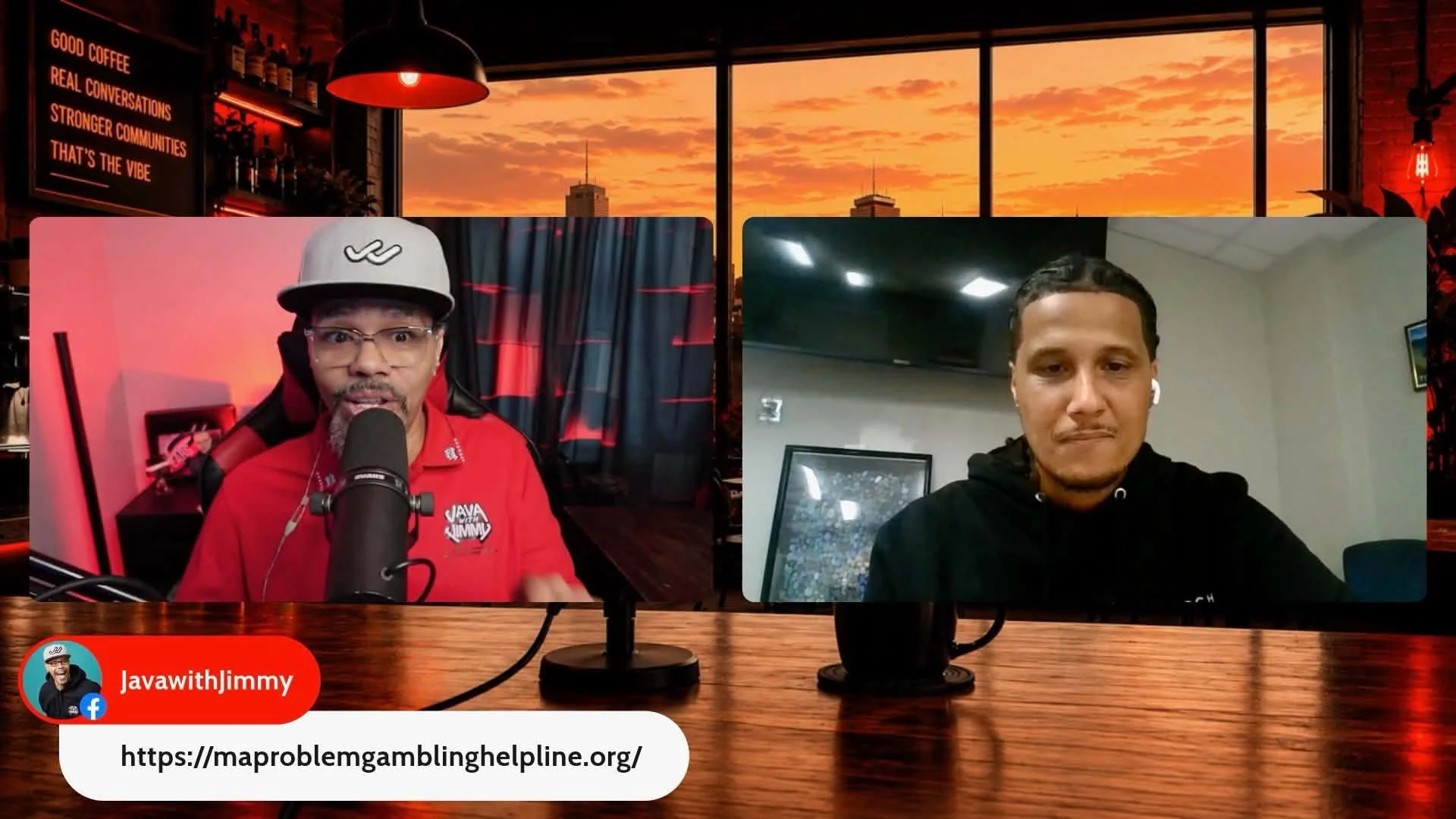
Today on Java With Jimmy, we had a real conversation about addiction, recovery, and problem gambling.
The show was in partnership with the Massachusetts Department of Public Health’s Office of Problem Gambling Services and its “Different Stories, Same Problem” campaign.
The message is important: drugs, alcohol, and gambling may look different, but addiction can affect people and families in many of the same ways. And no matter what the addiction is, asking for help can be hard.
My guest was Ricky Copeland, who supervises gambling ambassadors at the Gandara Center. Ricky grew up around addiction, studied psychology, and has worked in recovery centers.
One thing that stood out to me was how easy it can be to think we know what addiction looks like.
We don't.
Addiction does not have one face, one income, one race, or one story.
We also talked about how one addiction can sometimes lead to another behavior. Someone may stop using drugs or alcohol and start gambling more because gambling may not feel as dangerous.
But that does not mean there is no harm.
Problem gambling can affect your money, your family, your job, and your mental health. It can also take up so much of your time and thinking that other parts of life start getting pushed to the side.
Ricky also made another important point. Problem gambling can be hard for family and friends to see.
You may not see the same physical signs that you might see with some types of drug or alcohol use. So instead of going to somebody and saying, “You have a gambling problem,” Ricky suggested asking questions.
How often are you gambling?
How much are you spending?
Are you spending more time gambling than you planned?
Is it getting in the way of your family, work, or other responsibilities?
Those questions may help someone look at their own behavior without feeling attacked.
We Also Had Some News
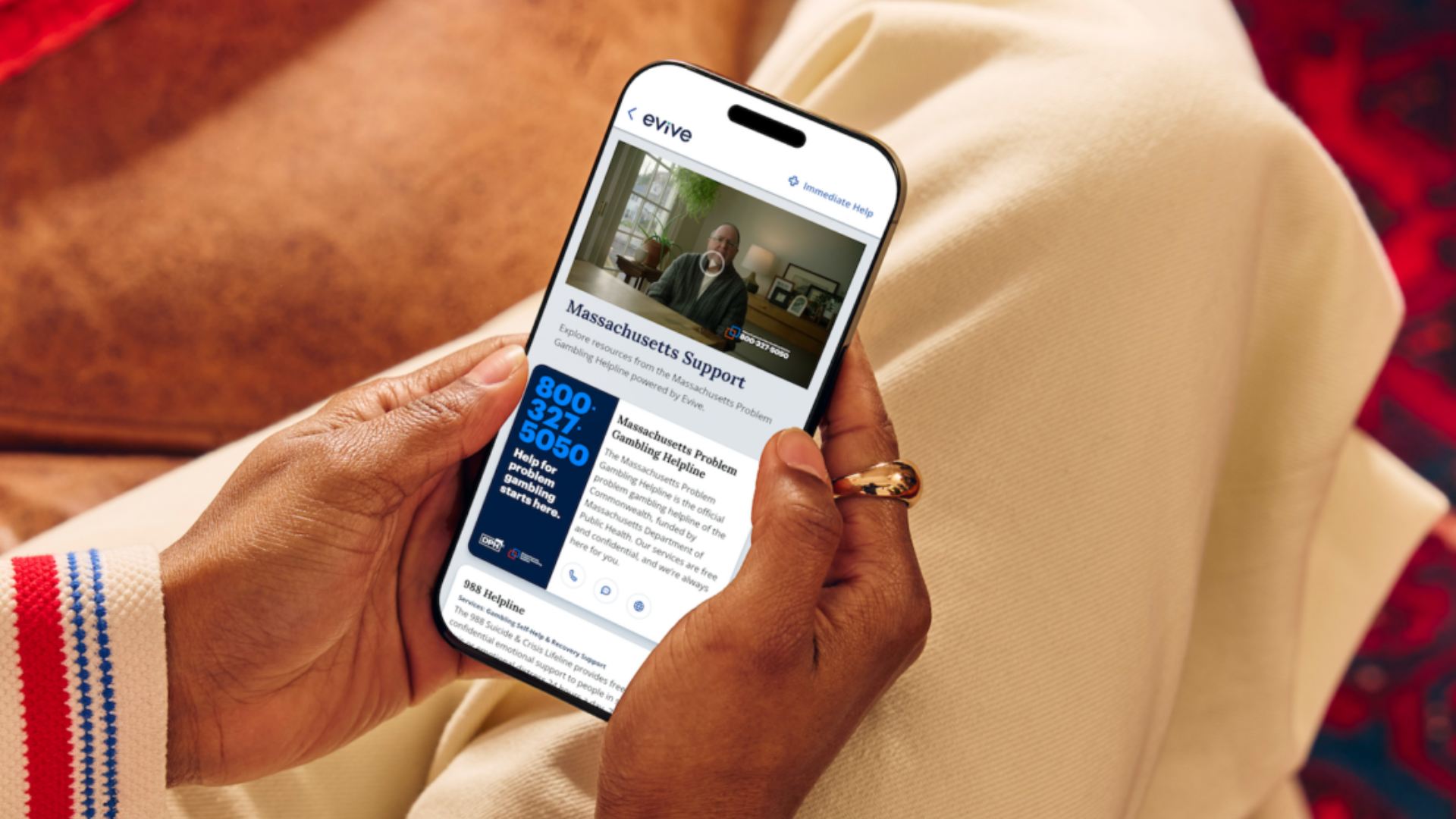
The Massachusetts Problem Gambling Helpline mobile app, powered by Evive, is now LIVE.
This was one of my favorite parts of today's conversation because I actually found it out while we were live.
The Massachusetts Problem Gambling Helpline mobile app, powered by Evive, is now LIVE.
DOWNLOAD THE APP HERE
The app went live yesterday, September 29.
“Gambling harm is a public health issue, and it reaches far beyond the person placing the bet,” said Robbie Goldstein, MD, PhD, Commissioner of the Massachusetts Department of Public Health. “Meeting people where they are means meeting them on the devices they already carry. Massachusetts has been deliberate about building a response grounded in evidence and in the experience of the people it serves, and this is the next step in that work for the Office of Problem Gambling Services.”
That means there is now another way for people to get information and support.
You can call.
You can go online.
And now, you can use the app.
That matters.
Somebody may know they need help but not be ready to make a phone call. Somebody may be embarrassed. Somebody may be afraid of what people will think.
Having different ways to reach out gives people another door to walk through.
And that really connects back to the whole point of today's conversation.
Recovery does not look the same for everybody.
“Recovery is not one decision. It is a series of moments when someone needs a door and finds one open,” said Victor Ortiz, Director of the Office of Problem Gambling Services at DPH. “For 10 years, we’ve listened closely to people living this experience. They’ve told us, time and again, that support needs to be there around the clock. What we’re offering now is a direct response to what they’ve asked for. It doesn’t replace the helpline — it extends it, so people feel supported whenever they need us.”
Some people may use counseling. Some may use support groups. Others may need a different kind of recovery plan with limits, support, and accountability.
There is not one road.
The important thing is recognizing when something is getting in the way of your life and knowing you do not have to deal with it by yourself.
For family and friends, we have a role too.
Ask questions. Listen. Don't judge. Pay attention. And when somebody is ready, help connect them to support.
The Office of Problem Gambling Services is working across Massachusetts on prevention, support, and resources around problem gambling.
Today's conversation reminded me that addiction may have different stories and the same problem, but there can also be different roads to recovery.
And now there is one more way to find help.
The app is live.
FOR RESOURCES: